DNS stands for Domain Name System. It’s a system that translates domain names into IP addresses, which are used by browsers to load web pages. DNS is a vital part of the internet.
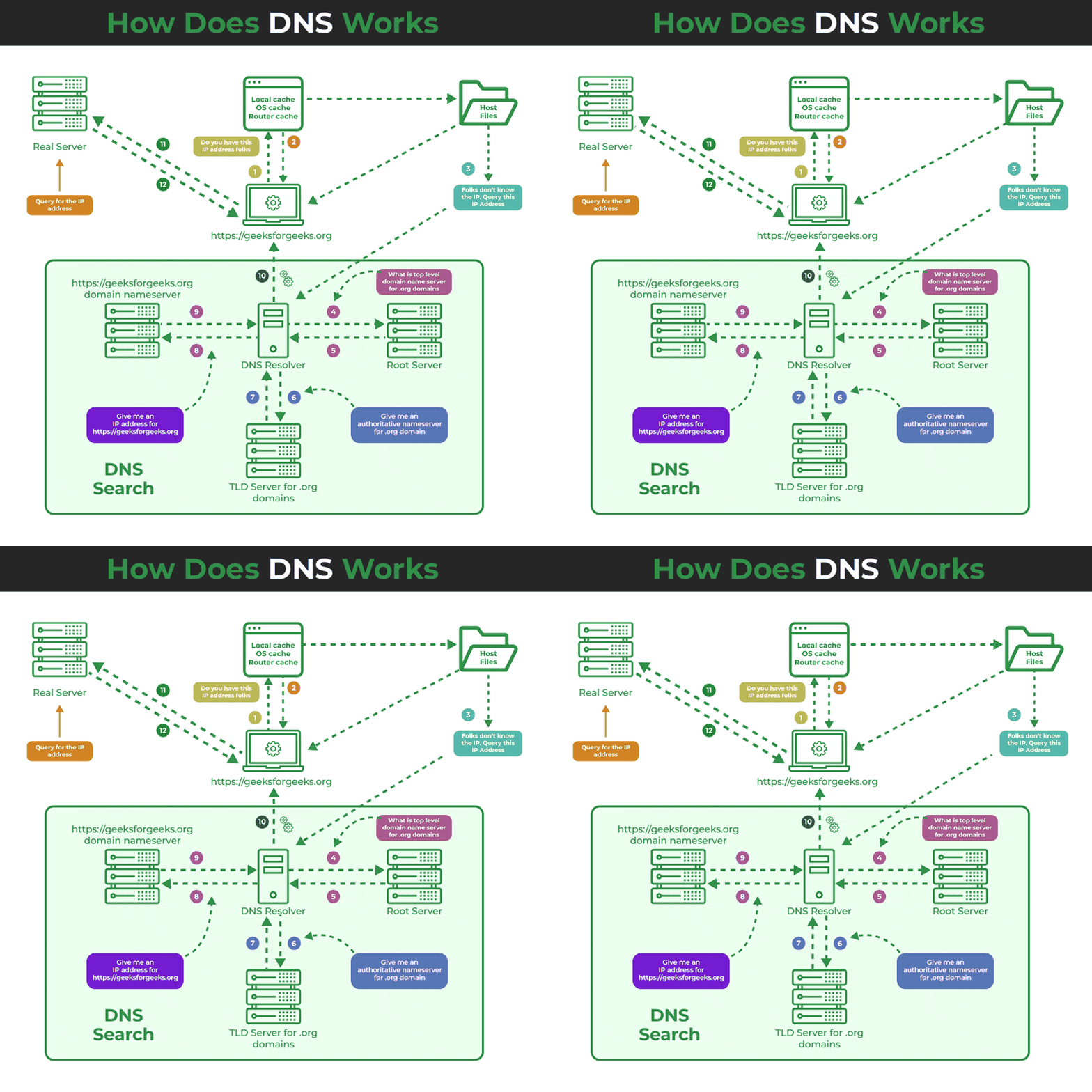
How does DNS work?
- When a user enters a domain name into a browser, the request is sent to a DNS recursor.
- The DNS recursor communicates with other DNS servers to find the IP address for the requested domain name.
- The DNS returns the IP address to the user’s browser.
- The browser uses the IP address to load the requested web page.
Why is DNS important?
- DNS allows users to access websites using human-readable domain names instead of IP addresses.
- DNS makes it easier for users to connect to websites.
- DNS is a critical part of the internet.
History of DNS
- Paul Mockapetris developed the DNS in the early 1980s.
- DNS is still the backbone of the modern internet.